

Key points
- The rapid escalation of conflict in the Middle East involving the United States, Israel and Iran since late February 2026 is now sending powerful shockwaves across the global travel industry, with Thailand’s hotel sector among the hardest hit in Asia.
- According to industry leaders speaking to Thailand Hotel News, the crisis is unfolding at a particularly sensitive time for Thailand’s tourism sector, which contributes nearly 20 percent of the nation’s GDP.
- Europe, the United States and the Middle East together accounted for more than 10 million visitors to Thailand in 2025 and represent some of the country’s highest-spending tourists.
Thailand Hotel News: The rapid escalation of conflict in the Middle East involving the United States, Israel and Iran since late February 2026 is now sending powerful shockwaves across the global travel industry, with Thailand’s hotel sector among the hardest hit in Asia. Airspace disruptions across major Gulf aviation hubs including the United Arab Emirates, Qatar and Saudi Arabia have triggered widespread flight cancellations and rerouting, significantly affecting long-haul travel to Southeast Asia. At the same time, surging global oil prices and instability in the Strait of Hormuz are driving up transportation and operational costs across the tourism ecosystem.
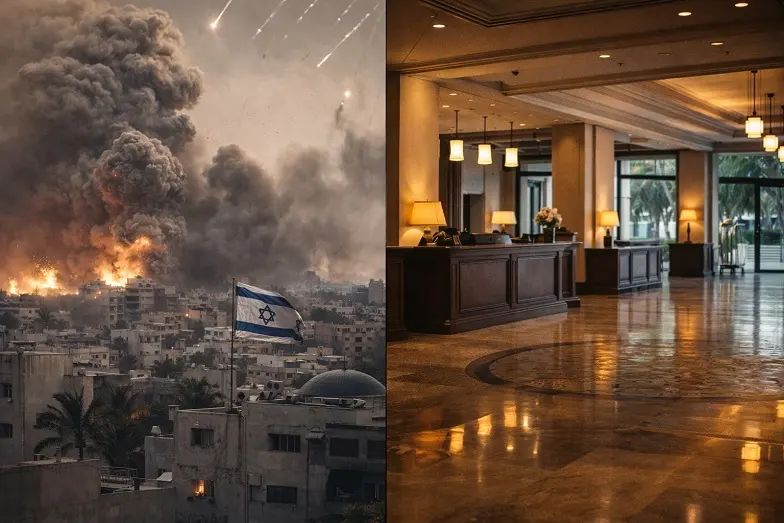
Image Credit: Thailand Hotel News
According to industry leaders speaking to Thailand Hotel News, the crisis is unfolding at a particularly sensitive time for Thailand’s tourism sector, which contributes nearly 20 percent of the nation’s GDP. The Tourism Authority of Thailand had set an ambitious goal of attracting 36.7 million foreign visitors in 2026 and generating approximately 2.78 trillion baht in tourism revenue.
However, new forecasts from tourism associations and industry analysts now suggest the country could fall significantly short of these targets if the conflict continues through the second quarter.
Sharp Decline in Long Haul Visitors
The most immediate impact on Thailand’s hotel industry has been a steep drop in long-haul travel demand. Global aviation monitoring groups reported more than 23,000 flight cancellations worldwide in the first two weeks after the conflict intensified, with many routes between Europe and Asia disrupted due to restricted airspace.
Europe, the United States and the Middle East together accounted for more than 10 million visitors to Thailand in 2025 and represent some of the country’s highest-spending tourists. These travelers typically stay longer and favor upscale accommodations, wellness retreats and medical tourism packages.
Tourism industry leaders warn that Thailand could lose at least 300,000 international visitors in March 2026 alone if travel disruptions continue. Over the course of the year, foreign arrivals could decline to between 30 and 31 million under moderate conflict scenarios. In a prolonged war situation lasting beyond three months, arrivals could fall further to between 27 and 29 million, well below earlier projections.
Particularly concerning for hotel operators is the expected collapse in arrivals from Gulf Cooperation Council countries. Travelers from the region are known to spend significantly more per trip and often stay between ten and fourteen days in luxury resorts or wellness facilities. Some analysts now estimate that arrivals from Middle Eastern markets could fall by as much as 30 to 80 percent depending on how long the conflict persists.
Hotel Occupancy Rates Begin to Slide
Before the conflict erupted, Thailand’s hotel sector had been enjoying strong momentum. Occupancy rates in January 2026 averaged roughly 77 percent nationwide, with popular destinations such as Bangkok, Phuket and Pattaya exceeding expectations.
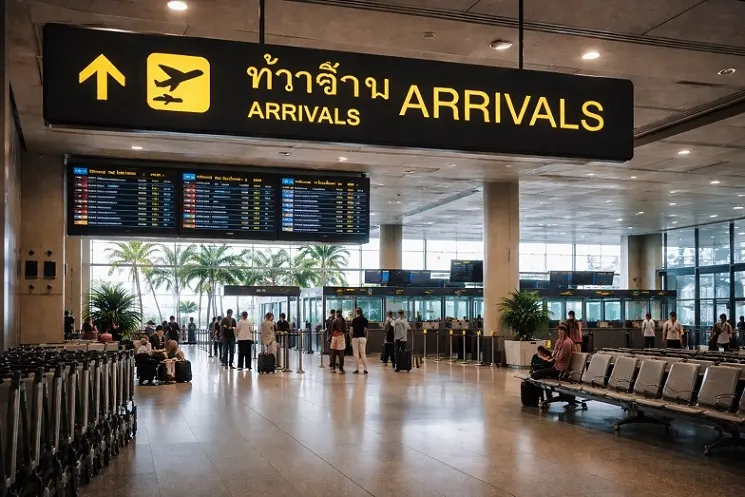
Image Credit: Thailand Hotel News
However, the momentum has already begun to reverse. Industry estimates indicate occupancy fell to around 73 percent in February, with early March figures now projected between 65 and 70 percent due to widespread cancellations and postponed travel plans.
High-end hotels appear to be the most vulnerable segment. Four-star and five-star properties that had been operating above 80 percent occupancy earlier this year are seeing bookings soften rapidly as European travelers delay long-haul trips.
Luxury wellness resorts in Phuket, Koh Samui and Chiang Mai are particularly exposed, as they depend heavily on European and Middle Eastern guests seeking extended wellness stays, spa retreats and medical tourism services.
Rising Oil Prices Push Hotel Operating Costs Higher
Beyond declining demand, Thailand’s hotel industry is also facing mounting cost pressures. Brent crude oil prices have fluctuated sharply between US$80 and US$115 per barrel since the conflict escalated, driving jet fuel costs up by as much as 30 percent and increasing airline ticket prices.
Higher fuel costs are also rippling through the tourism supply chain, pushing up electricity tariffs, transportation expenses and food logistics. Hotel operators are increasingly concerned that operating margins will shrink just as revenue begins to weaken.
Industry analysts warn that revenue per available room across Thailand could decline by 10 to 15 percent in the near term if the conflict persists, potentially translating into tens of billions of baht in lost tourism income.
Hotels Pivot Toward Regional Markets
In response to the growing uncertainty, tourism authorities and hotel operators are rapidly adjusting their strategies. Marketing campaigns are now shifting toward regional markets including China, India, South Korea and ASEAN countries in an effort to offset declining long-haul arrivals.
Budget and mid-range hotels in Bangkok and other urban destinations may benefit from this pivot toward short-haul travelers, although these markets typically generate lower average spending compared with European and Middle Eastern visitors.
Government agencies are also monitoring the situation closely, with discussions underway regarding potential fuel support measures, crisis coordination centers and expanded marketing campaigns to stabilize international confidence in Thailand as a safe destination.
A Defining Year for Thailand’s Hotel Industry
While previous global crises have tested Thailand’s tourism resilience, industry leaders believe the current geopolitical tensions could create one of the most complex challenges the hotel sector has faced in recent years.
If the conflict is resolved within the next one to three months, the overall impact on Thailand’s tourism economy may remain manageable. However, a prolonged war could significantly reshape travel flows and delay the full recovery of the country’s hospitality sector.
For Thailand’s hotel operators, 2026 is rapidly becoming a year defined by adaptability, cost management and strategic diversification as the industry works to navigate one of the most unpredictable global travel environments in recent memory.
For the latest on Thailand’s hospitality industry, keep on logging to Thailand Hotel News.