

Key points
- This Thailand Hotel News report highlights that many of these establishments are not attracting diners organically but are instead relying on volume-driven foot traffic to compensate for a lack of loyal clientele.
- Some of these pathetic restaurants with garbage food sometimes even resort to organizing parties etc with fixed ticket prizes to try to boost their revenue although they are lots of legal questions that can arise …such as does their licenses permits them to operate as pub-like or discotheque or as partying venues.
- Later some of these same lower-life forms lacking any marketing or innovative strategies, started deploying the same strategies for certain hotel restaurants and restaurants that were doing badly due to the garbage food that they serve at certain locations in the various Sois in Sukhumvit road.
Thailand Hotel News: In Thailand’s vibrant hospitality scene, where hotel dining has long been associated with quality, refinement, and consistency, a growing pattern is quietly reshaping consumer expectations—and not always for the better. Increasingly, certain hotel restaurants and standalone dining venues are turning to aggressive promotional tactics, including hosting large-scale meet-up events and offering steep discounts through third-party food discount platforms. While these strategies may appear attractive on the surface, industry observers warn that they often signal deeper issues related to food quality, operational standards, and long-term sustainability.
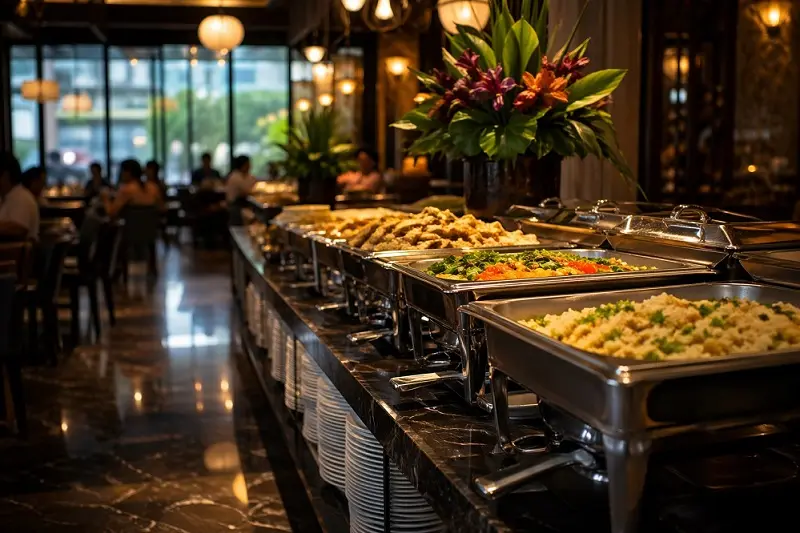
Image Credit: Thailand Hotel News
The Rise of Meet-Up Driven Dining Traffic
Across Bangkok and other major cities, it has become common to see restaurants actively positioning themselves as venues for social gatherings, hobbyist groups, and networking events. Listings on event platforms frequently highlight dining venues as “ideal meet-up spots,” promising affordability, accessibility, and group-friendly environments. However, beneath this trend lies a concerning reality.
This Thailand Hotel News report highlights that many of these establishments are not attracting diners organically but are instead relying on volume-driven foot traffic to compensate for a lack of loyal clientele.
Restaurants that consistently deliver high-quality food and memorable dining experiences rarely need to depend on such tactics. They build reputations over time, cultivate repeat customers, and generate word-of-mouth recommendations. In contrast, venues that aggressively court meet-up groups often do so because they struggle to fill seats through traditional means. The emphasis shifts from culinary excellence to maximizing occupancy, often at the expense of consistency and care in food preparation.
Some of these pathetic restaurants with garbage food sometimes even resort to organizing parties etc with fixed ticket prizes to try to boost their revenue although they are lots of legal questions that can arise …such as does their licenses permits them to operate as pub-like or discotheque or as partying venues.
Most of these meet-up strategies were started by some of these Thai-Punjabi tailors turned hoteliers who saw an opportunity to make monies from cheap farang tourists and sex perverts looking to meet part-time or freelance Thai prostitutes and started their ventures at some of the rooftop bars at Sukhumvit Soi 11….later some of these same lower-life forms lacking any marketing or innovative strategies, started deploying the same strategies for certain hotel restaurants and restaurants that were doing badly due to the garbage food that they serve at certain locations in the various Sois in Sukhumvit road. The trend started growing from then on.
However, real food connoisseurs and individuals with class seeking decent dining venues typically avoid such restaurants.
Discount Platforms and the Illusion of Value
Equally concerning is the proliferation of hotel restaurants offering heavily discounted buffets and set menus through online deal platforms. While promotions and seasonal offers are not uncommon in the hospitality industry, the scale and frequency of these discounts raise questions. In many cases, these deals are not strategic marketing tools but rather desperate attempts to drive traffic during periods of weak demand.
Industry insiders note that when discounts become the primary draw, corners are often cut behind the scenes. Ingredient quality may be reduced, portion control becomes inconsistent, and food preparation standards can decline. Buffets, in particular, are vulnerable to such compromises. Items may be prepared in bulk and held for extended periods, leading to diminished freshness and taste.
Moreover, the clientele attracted by deep discounts tends to be price-sensitive rather than quality-focused. This creates a cycle where the restaurant continues to prioritize volume over excellence, further eroding its reputation among discerning diners.
Operational Pressures and Questionable Practices
One of the more troubling aspects of this trend involves operational practices that may not align with the expectations associated with hotel dining. In some establishments especially those owned by Thai Punjabis and particularly those under financial pressure, there are concerns about the reuse of unsold food items from previous service periods. While proper food safety protocols should prevent such practices, anecdotal reports suggest that not all venues adhere strictly to these standards.
The pressure to maintain profitability while offering steep discounts can lead to difficult decisions. Labor costs may be reduced, resulting in understaffed kitchens and dining areas. Training may be deprioritized, affecting service quality. In extreme cases, the focus shifts entirely away from delivering a premium experience to simply managing high volumes of customers at the lowest possible cost.
The Impact on Brand Reputation
For hotels, the implications extend beyond the restaurant itself. Dining is a critical component of the overall guest experience, and subpar food quality can significantly impact brand perception. Guests who encounter disappointing meals are less likely to return, regardless of the quality of other hotel services.
This is particularly important in a competitive market like Thailand, where travelers have an abundance of dining options. A single negative experience can quickly spread through online reviews and social media, amplifying the damage to a hotel’s reputation. In this context, short-term gains from meet-up traffic or discounted deals may come at the expense of long-term brand equity.
Consumer Awareness and Changing Expectations
Today’s diners are more informed and discerning than ever before. Online reviews, food blogs, and social media platforms provide a wealth of information that allows consumers to make more informed choices. As awareness grows, many are beginning to question the value of heavily discounted dining experiences and the quality of venues that rely on such strategies.
Savvy consumers are increasingly prioritizing authenticity, consistency, and quality over price. They recognize that a truly good restaurant does not need to rely on aggressive promotions to attract customers. Instead, it earns its reputation through excellence in food, service, and ambiance.
Final Thoughts
The growing reliance on meet-up events and discounted platforms among certain hotel restaurants serves as a cautionary tale for both operators and consumers. While these strategies may offer short-term benefits, they often mask underlying challenges related to quality, consistency, and brand positioning. Diners should approach such venues with a critical eye, recognizing that true value lies not in the size of the discount but in the quality of the experience. For hotels and restaurateurs, the lesson is clear: sustainable success in the hospitality industry is built on trust, excellence, and a commitment to delivering genuine value to guests. Cutting corners or chasing volume at the expense of quality may provide temporary relief, but it ultimately undermines the very foundations of long-term success.
For the latest on hotel restaurants, keep on logging to Thailand Hotel News