

Key points
- Dubai’s globally admired tourism industry is now confronting one of the most serious downturns in its modern history as new forecasts warn that hotel occupancy levels across the emirate could collapse from nearly 80 percent earlier this year to as low as 10 percent during the second quarter of 2026.
- The alarming projection has triggered growing concern throughout the hospitality sector, aviation industry, luxury retail market, and international travel community as regional instability continues to reshape tourism demand patterns across the Gulf region.
- In the midst of growing uncertainty surrounding long-haul travel to the Gulf, this Hotel News report examines how Dubai’s hospitality sector may be entering one of the most difficult operating environments it has experienced in decades despite the city remaining fully functional and operational.
Hotel News: Dubai’s globally admired tourism industry is now confronting one of the most serious downturns in its modern history as new forecasts warn that hotel occupancy levels across the emirate could collapse from nearly 80 percent earlier this year to as low as 10 percent during the second quarter of 2026. The alarming projection has triggered growing concern throughout the hospitality sector, aviation industry, luxury retail market, and international travel community as regional instability continues to reshape tourism demand patterns across the Gulf region.
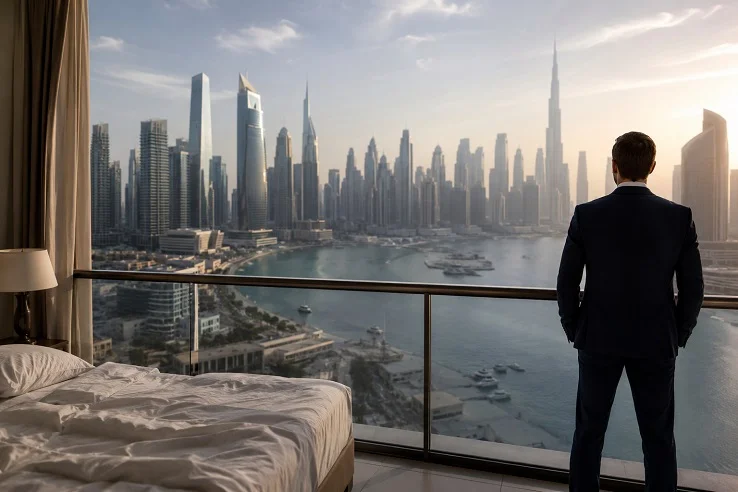
Image Credit: Thailand Hotel News
For years, Dubai built its reputation as a resilient luxury destination capable of overcoming economic turbulence, global pandemics, and geopolitical uncertainty while continuing to attract millions of visitors annually. However, the latest hospitality data and economic forecasts suggest that the emirate’s tourism machine is now facing a far more complicated challenge driven largely by shifting international traveler sentiment. In the midst of growing uncertainty surrounding long-haul travel to the Gulf, this Hotel News report examines how Dubai’s hospitality sector may be entering one of the most difficult operating environments it has experienced in decades despite the city remaining fully functional and operational.
Sharp Decline Expected Across Dubai’s Hotel Sector
The scale of the projected downturn has stunned many hospitality analysts and tourism executives. If occupancy levels truly plunge toward 10 percent during the second quarter, the impact would represent one of the steepest declines ever recorded within Dubai’s tourism economy.
Luxury resorts, business hotels, beachfront properties, and internationally branded accommodations are all expected to feel the pressure. Hotel operators that were enjoying strong performance levels only months ago are now reportedly preparing contingency measures to cope with rapidly weakening demand.
Many properties across Dubai traditionally rely heavily on international visitors from Europe, China, Southeast Asia, and North America. However, travelers from these long-haul markets are increasingly delaying or reconsidering travel plans due to heightened concerns about broader regional stability.
Industry observers note that even though Dubai itself continues to operate normally with no major disruptions to tourism infrastructure, perception alone can significantly influence booking behavior. International travelers often make decisions based on broader regional sentiment rather than conditions within a single city.
Palm Jumeirah and Downtown Dubai Under Pressure
Dubai’s most recognizable luxury tourism districts are expected to face the greatest challenges if international demand continues weakening.
Palm Jumeirah, known globally for its ultra-luxury beachfront resorts and premium hospitality experiences, could experience a major drop in leisure bookings. Many of the island’s high-end resorts depend heavily on affluent international tourists willing to spend aggressively on suites, fine dining, beach clubs, and entertainment experiences.
Downtown Dubai is also expected to come under increasing pressure. Hotels surrounding the Burj Khalifa, Dubai Mall, and Dubai Opera typically benefit from a steady mix of luxury leisure tourism and business travel. However, both segments now appear vulnerable as travelers adopt a more cautious approach toward regional travel planning.
The situation is especially concerning for luxury properties because of their exceptionally high operational costs. Maintaining premium service levels, large staffing requirements, and world-class facilities becomes significantly more difficult when occupancy levels decline sharply.
International Travel Demand Weakening Rapidly
Travel industry experts say the current slowdown is being fueled primarily by growing hesitation among long-haul travelers rather than operational issues within the UAE itself.
Many tourists from Europe and Asia who would normally finalize summer and autumn travel plans months in advance are now waiting longer before making reservations. Travel agencies are also reporting increased requests for refundable bookings and flexible cancellation policies.
Consumer psychology is playing a powerful role in the downturn. Even travelers who previously viewed Dubai as one of the safest destinations in the Middle East are now becoming more cautious due to continuous international media coverage surrounding wider regional developments.
Tourism analysts say such behavioral shifts can create rapid ripple effects across the hospitality industry because Dubai depends heavily on advanced bookings, corporate events, and international conferences to sustain year-round occupancy levels.
Convention and Business Tourism Facing Disruptions
Dubai’s world-famous meetings, incentives, conferences, and exhibitions sector, commonly referred to as MICE tourism, is also expected to experience significant disruption in the months ahead.
The emirate has long established itself as one of the world’s premier destinations for international trade exhibitions, luxury conventions, technology summits, and global business forums. However, concerns surrounding international mobility and corporate travel could force many organizers to postpone or reschedule major gatherings.
The decline in business events would likely affect not only hotels but also airlines, exhibition centers, transportation providers, restaurants, luxury retailers, and entertainment operators throughout the emirate.
Aviation may also come under increasing pressure if tourism demand continues softening. Airlines operating through Dubai International Airport could eventually adjust flight frequencies should passenger numbers and seat load factors decline significantly during the coming months.
Luxury shopping destinations such as Dubai Mall may also experience weaker spending as international tourist arrivals slow. Retailers that rely heavily on affluent overseas visitors could face softer sales across fashion, jewelry, luxury watches, and premium lifestyle products.
Authorities Seeking Alternative Tourism Strategies
As uncertainty continues to grow, tourism authorities and hospitality businesses are expected to intensify efforts aimed at attracting regional and domestic travelers.
Short-haul visitors from GCC countries may become increasingly important in helping stabilize occupancy levels across Dubai’s hotel sector. Authorities are also likely to promote staycation campaigns targeting UAE residents with discounted luxury resort packages and family holiday offers.
Hotels may begin introducing aggressive promotional pricing strategies, complimentary upgrades, and flexible booking incentives in an attempt to maintain minimum occupancy thresholds during weaker travel periods.
At the same time, marketing campaigns emphasizing Dubai’s operational stability, aviation safety, and tourism infrastructure are expected to become more visible throughout the remainder of 2026.
Industry experts are also advising travelers to prioritize flexible bookings and ensure that travel insurance policies include comprehensive disruption coverage before confirming trips to the region.
A Defining Moment for Dubai’s Tourism Industry
The projected decline in hotel occupancy represents far more than a temporary tourism slowdown. It highlights how vulnerable globally connected hospitality markets remain to shifts in international sentiment and geopolitical uncertainty. Dubai still possesses some of the world’s best tourism infrastructure, luxury hotels, aviation networks, and entertainment offerings, but restoring traveler confidence may prove far more difficult than maintaining physical operations.
The months ahead are likely to become a defining test for Dubai’s tourism resilience. Recovery will depend heavily on regional stability, international perception, airline confidence, and the willingness of global travelers to return to long-haul leisure and business travel within the Gulf region. For now, the emirate’s hospitality industry faces one of its most challenging periods in recent memory as hotel operators, airlines, retailers, and tourism authorities attempt to navigate a rapidly evolving global travel landscape.
For the latest on the international hotel industry, keep on logging to Thailand Hotel News.