

Key points
- In the broader picture, this Thailand Hotel News report highlights how hospitality is becoming an increasingly important component of SA’s diversified business model, particularly as the company seeks to balance property sales with more predictable recurring revenue streams.
- The portfolio gives Siamese Asset exposure to several parts of Bangkok’s hospitality market and allows the company to target a mix of domestic and international travelers.
- Rather than depending solely on the timing of condominium and residential property transfers, hotel operations can provide a continuing revenue stream as occupancy and customer demand strengthen.
Siamese Asset Public Company Limited (SA) has reported another encouraging quarter for its hospitality operations, with hotel revenue climbing 29.16% year-on-year as the company benefits from stronger demand across its six operating hotels in Bangkok. The performance adds momentum to SA’s strategy of building recurring income alongside its core property development business.
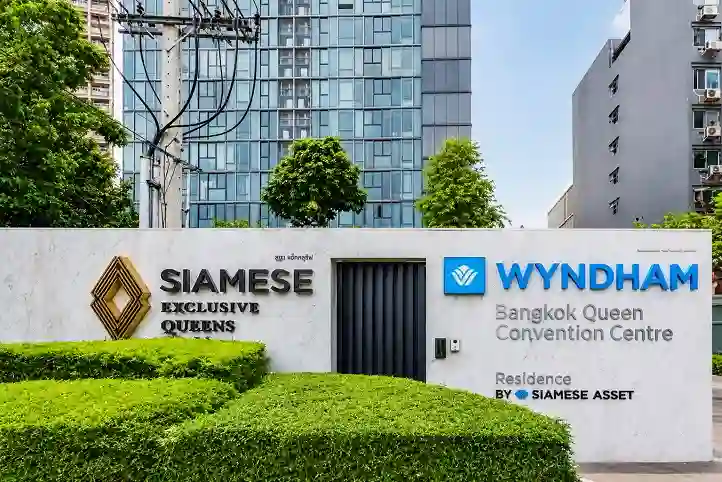
Image Credit: Siamese Asset (Wyndham Bangkok Queen Convention Center)
The hotel gains came as Siamese Asset reported total second-quarter 2026 revenue of 677.62 million baht, representing an increase of 115.19 million baht, or 20.48%, compared with the corresponding period a year earlier. In the broader picture, this Thailand Hotel News report highlights how hospitality is becoming an increasingly important component of SA’s diversified business model, particularly as the company seeks to balance property sales with more predictable recurring revenue streams.
Hotel Revenue Jumps Nearly 30%
Hotel operations generated revenue of 138.52 million baht during the second quarter, with the 29.16% year-on-year increase attributed to a recovery in demand and continued expansion of the customer base across the group’s hotel portfolio.
SA currently operates six hotels: Wyndham Bangkok Queen Convention Center, Wyndham Garden Sukhumvit 42, Ramada Plaza Sukhumvit 48, Ramada Sukhumvit 87, Tribe Living Bangkok Sukhumvit 39, and Cassia Rama 9 Bangkok.
The portfolio gives Siamese Asset exposure to several parts of Bangkok’s hospitality market and allows the company to target a mix of domestic and international travelers. Its properties are concentrated in locations benefiting from business activity, residential development, transportation connections, shopping, entertainment, and Bangkok’s continuing popularity with international visitors.
The improvement in hotel revenue is particularly significant because SA has identified hospitality as an important source of recurring income. Rather than depending solely on the timing of condominium and residential property transfers, hotel operations can provide a continuing revenue stream as occupancy and customer demand strengthen.
Stronger Quarter Across the Wider Business
Siamese Asset’s improved hotel performance formed part of a broader rise in second-quarter earnings.
According to Montien Yingdamnoon, Chief Operating Officer and Chief Business Development Officer of Siamese Asset Public Company Limited, total revenue reached 677.62 million baht during the quarter.
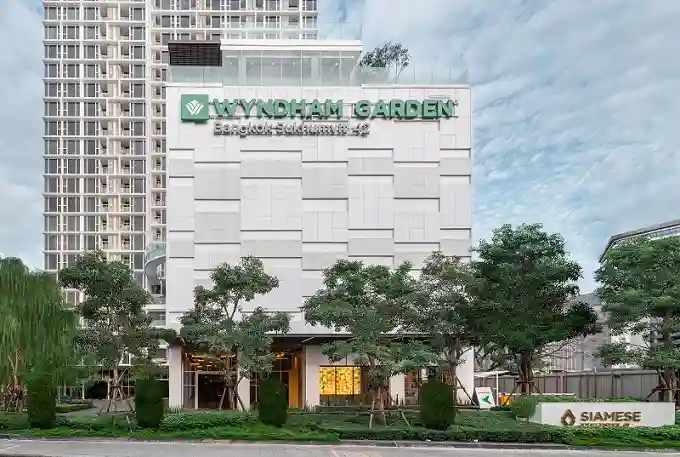
Image Credit: Siamese Asset
Real estate and product sales accounted for 408.21 million baht, while hotel operations contributed 138.52 million baht. Service revenue totaled 15.27 million baht, rental revenue reached 36.60 million baht, and other income amounted to 79.01 million baht.
Net profit stood at 25.17 million baht, representing a substantial 73.63% increase from the same period of the previous year. Profit attributable to the parent company rose even more sharply, increasing 222.56% year-on-year.
The figures suggest that SA’s combination of property development, hospitality, rental operations, and other businesses is beginning to deliver a more diversified revenue profile.
Landmark Projects Help Drive Growth
The company said its improved second-quarter performance was also supported by the commencement of revenue recognition from the project.
Revenue was additionally recognized progressively from the Landmark At MRTA Station development and several low-rise projects where property transfers have continued.
Together, these developments contributed to a 24.67% year-on-year increase in revenue from real estate and product sales.
While property development remains SA’s largest revenue contributor, the faster expansion of hotel and rental income provides another dimension to the company’s growth story.
Rental income increased by 40.44% compared with the corresponding period last year, reflecting growth in SA’s commercial rental operations. Like hotels, commercial rentals form part of the company’s strategy to develop recurring income that can complement revenue generated through property sales.
International Guests Remain a Major Target
SA intends to continue expanding its international customer base, with particular attention being given to travelers and buyers from China, the Middle East, and India.
These markets have become increasingly important to Thailand’s tourism, hospitality, and real estate sectors, and attracting a larger proportion of international customers could provide additional support for the company’s hotels and branded residential developments.
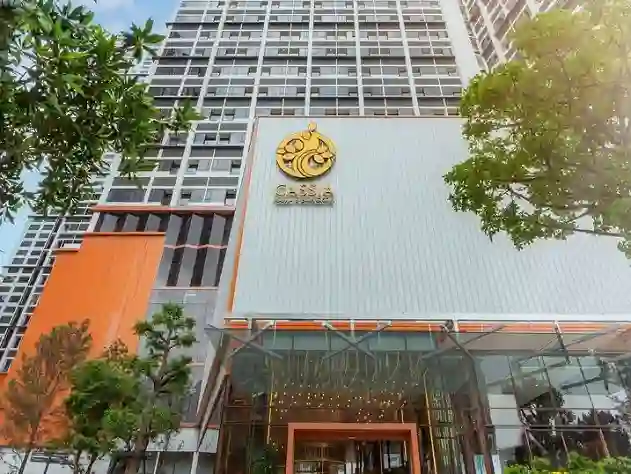
Image Credit: Siamese Asset
Management said the company will continue using competitive pricing strategies while retaining existing customers and building awareness of its hospitality brands.
SA is also pursuing a differentiation strategy centered on branded residences that combine residential living with services associated with internationally recognized hotel brands. The company is simultaneously developing mixed-use projects designed to accommodate a broader range of lifestyle requirements.
This crossover between hotels, branded residences, commercial space, and conventional residential property could become increasingly important as Thai developers look for ways to generate income from customers beyond the initial sale of a property.
Hospitality Moves Deeper into SA’s Recurring Income Strategy
For Siamese Asset, the latest numbers indicate that hotels are becoming more than an ancillary part of its property portfolio.
A 29.16% annual increase in hotel revenue provides evidence that the group’s hospitality operations are gaining traction, while management has made clear that it wants the hotel division to become a significant recurring income source over the longer term.
The company plans to continue controlling costs while simultaneously widening its international customer reach and retaining its existing guest base. If that approach succeeds, hospitality could provide greater stability during periods when residential property sales or transfers experience fluctuations.
The strategy is also closely aligned with SA’s broader mixed-use development model. Hotels can potentially generate direct operating revenue while strengthening the attractiveness and recognition of developments containing residences, retail facilities, commercial space, and other components.
A Bigger Role for Hotels in Siamese Asset’s Future
Siamese Asset’s second-quarter 2026 performance shows a company increasingly supported by multiple revenue engines rather than property sales alone. Real estate remains central to the business, but a 29.16% jump in hotel revenue, alongside a 40.44% rise in rental income, demonstrates why recurring-income operations are receiving greater attention.
With six hotels already operating and international markets such as China, India, and the Middle East remaining central to its customer expansion plans, SA has an opportunity to strengthen its hospitality platform further. The challenge will be maintaining revenue momentum while controlling operating costs, building customer loyalty, and positioning its properties effectively in Bangkok’s highly competitive hotel market.
The latest quarter nevertheless provides a strong indication of the direction the company is taking. As hotel operations become more closely integrated with branded residences, mixed-use developments, and commercial rental activities, hospitality appears set to play an increasingly prominent role in Siamese Asset’s long-term growth strategy and its efforts to establish a more stable recurring-income base.
For more on Siamese Assets, visit:
https://www.siameseasset.co.th