

Key points
- Thailand’s peak festive season is under unexpected strain this year, as Chiang Mai – long considered the centerpiece of Songkran celebrations – faces a steep drop in hotel demand.
- At the same time, there is a push for strategies that can offset rising travel costs and stimulate demand, particularly in the domestic market.
- Chiang Mai’s reliance on Songkran as a high-occupancy window has been clearly exposed, highlighting the need for more resilient and diversified demand strategies within the hotel sector.
Thailand Hotel News: Thailand’s peak festive season is under unexpected strain this year, as Chiang Mai – long considered the centerpiece of Songkran celebrations – faces a steep drop in hotel demand. Industry sources indicate that bookings for the Songkran period have fallen by up to 50 percent compared to typical years, raising concern across the hospitality sector. For a city that usually operates at near full capacity during this time, the decline marks a significant disruption to seasonal revenue expectations.
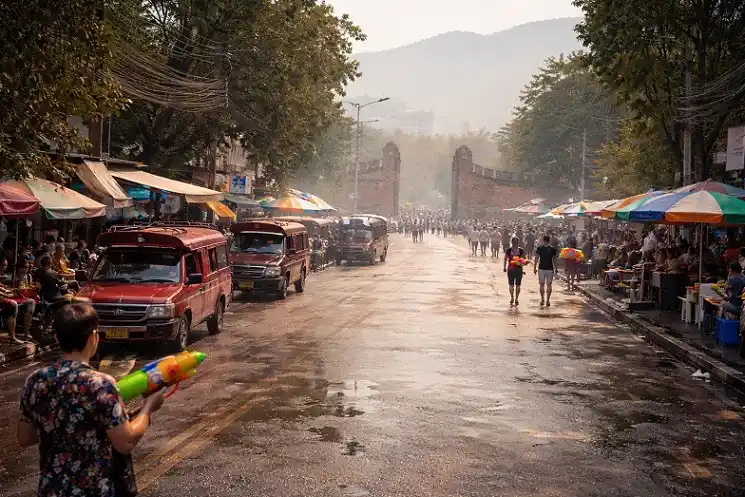
Image Credit: Thailand Hotel News
Core Travel Period Weakens
The Songkran holiday has historically been one of Thailand’s strongest tourism drivers, with Chiang Mai drawing large volumes of both domestic and international visitors. Hotels, boutique properties, and serviced apartments typically rely on this period to secure a substantial share of their annual income.
This year, however, forward bookings have softened considerably. Operators are reporting cancellations, shorter stays, and reduced group travel. This Thailand Hotel News report highlights a clear shift in traveler behavior, with many opting to avoid northern destinations altogether or delay trips due to prevailing concerns.
Air Quality Impacts Demand
The most immediate factor behind the downturn is deteriorating air quality across northern Thailand. Seasonal agricultural burning and regional haze have pushed PM2.5 levels to unhealthy ranges, affecting visibility and raising health concerns.
For travelers, particularly international visitors and families, environmental conditions are now a key consideration. The perception of risk has been enough to influence booking decisions, even among those who had previously planned to attend Songkran in Chiang Mai.
Hotels have attempted to mitigate concerns by enhancing indoor air quality and promoting enclosed amenities, but these measures have not significantly reversed demand trends. The issue has shifted from a short-term inconvenience to a primary decision factor for many guests.
Cost Pressures Reshape Travel Choices
At the same time, rising fuel costs are adding further pressure on travel demand. Increased transportation expenses have affected airfares, intercity travel, and tour pricing, making overall trip costs higher than in previous years.
Tour operators report a noticeable reduction in group bookings, while independent travelers are showing greater price sensitivity. For many, the combination of higher costs and environmental concerns has reduced the appeal of traveling during Songkran.
Hotels are responding with selective pricing adjustments and promotional offers, but remain cautious about deep discounting that could erode margins during an already weak season.
Hospitality Sector Feels Wider Impact
The decline in occupancy is extending beyond hotels to the wider tourism ecosystem. Restaurants, retail outlets, transport providers, and local attractions are all preparing for lower footfall during what is typically a peak trading period.
For smaller businesses, Songkran often represents a critical revenue window. A subdued season could therefore have broader economic implications, particularly for operators still stabilizing after recent market disruptions.
Industry stakeholders are increasingly calling for coordinated support measures, including targeted marketing campaigns and initiatives aimed at restoring traveler confidence.
Industry Response and Outlook
Tourism operators are urging authorities to address both environmental and economic pressures with urgency. Improving air quality remains central to restoring Chiang Mai’s positioning as a leading festival destination.
At the same time, there is a push for strategies that can offset rising travel costs and stimulate demand, particularly in the domestic market. Marketing efforts are expected to focus on reassurance, value-driven offers, and alternative experiences that can attract visitors despite current challenges.
While some late booking activity may still materialize, expectations for a full recovery this season remain limited.
Market Reset for Chiang Mai Hotels
The current slowdown reflects a broader shift in how external factors can influence travel demand, even during established peak periods. Chiang Mai’s reliance on Songkran as a high-occupancy window has been clearly exposed, highlighting the need for more resilient and diversified demand strategies within the hotel sector.
Going forward, sustained improvements in environmental conditions, combined with more adaptive pricing and marketing approaches, will be critical in rebuilding momentum. The situation underscores the importance of aligning tourism growth with environmental management and cost stability. For now, the focus remains on managing short-term losses while positioning the market for recovery in upcoming travel cycles. This evolving scenario serves as a clear warning that even the most dependable tourism peaks cannot be taken for granted, and that long-term sustainability must now sit at the core of Thailand’s hospitality planning strategies.
For the latest on the state of the Thai hospitality industry, keep on logging to Thailand Hotel News.