

Key points
- Thailand’s hotel industry is expanding at a breathtaking pace, despite concerning tourism numbers, a global economic slowdown and a government that is facing financial issues.
- With thoughtful planning, stricter enforcement, and genuine collaboration between stakeholders, there remains an opportunity to strike a balance that benefits both the economy and the environment.
- For the latest on the hospitality industry in Thailand, keep on logging to Thailand Hotel News.
Thailand Hotel News: Thailand’s hotel industry is expanding at a breathtaking pace, despite concerning tourism numbers, a global economic slowdown and a government that is facing financial issues. Beneath the glossy brochures and luxury openings, a growing debate is taking shape: is Thailand building too many hotels too fast? From pristine islands to once-quiet coastal towns, concerns are mounting over environmental degradation, strained infrastructure, and the erosion of local ways of life. While developers see opportunity, critics warn that unchecked growth could undermine the very attractions that draw visitors in the first place.
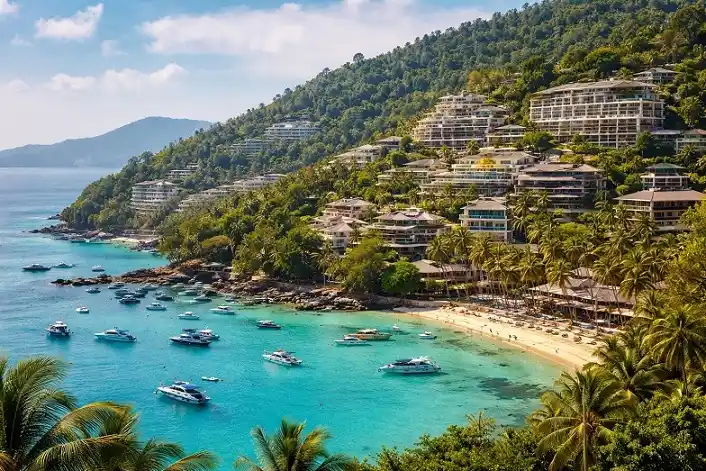
Image Credit: Thailand Hotel News
Rising Pressure on Fragile Island Ecosystems
There is currently more than 31, 047 registered hotels, serviced apartments and guesthouses across Thailand with more than 857,630 rooms. Nowhere is the tension more visible than on Thailand’s islands, where ecosystems are both delicate and irreplaceable. Popular destinations like Phuket, Koh Samui, and Koh Phi Phi are witnessing continuous hotel construction, often in areas once covered by forests or bordering coral-rich coastlines. The environmental toll is becoming harder to ignore, with reports of increased waste, water shortages, and coral reef damage linked to tourism expansion. This Thailand Hotel News report highlights how rapid development is outpacing sustainable planning, leaving local authorities scrambling to balance economic gains with environmental protection. The cumulative effect is a gradual but noticeable decline in natural beauty, raising fears that overdevelopment could permanently alter these iconic destinations.
Communities Push Back Against Rapid Expansion
Alongside environmental concerns, local communities are increasingly voicing frustration. In several regions, residents argue that large-scale hotel projects bring limited long-term benefits while driving up living costs and displacing traditional livelihoods. Fishermen, small business owners, and long-time residents often find themselves competing with large hospitality chains for resources such as land and water. In some cases, protests and public campaigns have emerged, calling for stricter zoning laws and more inclusive development strategies. Many locals feel that their voices are overlooked in decision-making processes, creating a sense of imbalance between corporate interests and community well-being. This growing backlash is not just about economics; it reflects a deeper concern about cultural preservation and identity in the face of rapid change.
Government Faces Complex Regulatory Challenges
The Thai government finds itself navigating a difficult path. On one hand, tourism remains a cornerstone of the national economy, contributing significantly to GDP and employment. On the other, the pace of hotel construction is testing the limits of existing regulatory frameworks. Efforts to enforce environmental impact assessments, zoning laws, and construction permits are often complicated by overlapping jurisdictions, inconsistent enforcement and corruption. In some cases, illegal or semi-legal developments have slipped through the cracks, further complicating the landscape. Authorities have introduced measures aimed at promoting sustainable tourism, but implementation remains uneven. Balancing economic growth with environmental stewardship and social responsibility is proving to be one of the most pressing challenges facing policymakers today.
Industry at a Crossroads as Future Risks Grow
The debate over overdevelopment versus preservation is ultimately shaping the future of Thailand’s hospitality sector. Industry leaders are beginning to recognize that sustainability is no longer optional but essential for long-term success.
Travelers themselves are becoming more environmentally conscious, increasingly favoring destinations that prioritize responsible tourism. If current trends continue unchecked, Thailand risks diminishing its appeal by compromising the natural and cultural assets that define its global reputation. However, with thoughtful planning, stricter enforcement, and genuine collaboration between stakeholders, there remains an opportunity to strike a balance that benefits both the economy and the environment. The path forward will require difficult decisions, but it also offers a chance to redefine what sustainable tourism truly means for the country. The choices made today will determine whether Thailand remains a world-class destination or becomes a cautionary tale of overdevelopment.
For the latest on the hospitality industry in Thailand, keep on logging to Thailand Hotel News.