

Key points
- Chiang Mai’s hotel industry is facing an unprecedented challenge as the ongoing conflict in the Middle East sends shockwaves through the tourism sector.
- Bookings from Middle Eastern and European tourists are being cancelled en masse due to flight suspensions over safety concerns, leaving hotels scrambling to adjust to a sudden drop in high-paying clientele.
- Large hotels, which typically depend on European clientele, may need to shift their attention to Chinese tourists or other high-income markets, requiring government support to promote Thailand as a safe and attractive destination.
Thailand Hotel News: Foreign Tourist Exodus Hits Hard
Chiang Mai’s hotel industry is facing an unprecedented challenge as the ongoing conflict in the Middle East sends shockwaves through the tourism sector. Bookings from Middle Eastern and European tourists are being cancelled en masse due to flight suspensions over safety concerns, leaving hotels scrambling to adjust to a sudden drop in high-paying clientele. This Thailand Hotel News report highlights that the disruptions are already affecting occupancy rates and could severely impact revenue during the province’s high season, historically the peak earning period for local businesses.
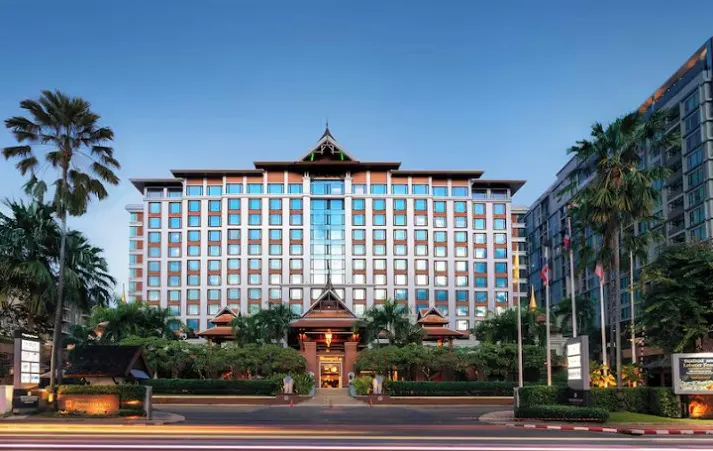
Image Credit: Shangri-La Chiang Mai Hotel
The president of the Upper Northern Thailand Hotel Association, Paisan Sukcharoen, warned that if the situation does not resolve within three months, hotel operators could face a financial crisis. Should the unrest continue for more than a year, hotels may be forced to implement austerity measures, reduce costs, or even temporarily close, echoing the turbulence experienced during the COVID-19 pandemic. Smaller hotels, which depend heavily on both domestic and international visitors, are particularly vulnerable, as the disappearance of tourists and reduced spending power could significantly compromise their sustainability.
Financial Pressure Mounts on Local Businesses
The immediate effect of the Middle East conflict is visible in March’s hotel occupancy, which has dropped to an average of 60-70%. Paisan explained, “We expect March to be another challenging month for hotel operators. Predictions for April are difficult even with the Songkran festival, which usually attracts large crowds of domestic and foreign tourists.” European visitors, alongside high-income Middle Eastern tourists, traditionally generate substantial revenue for Chiang Mai, not only through hotel stays but also by circulating income throughout the local economy. Their absence is creating a ripple effect that threatens both revenue and employment in the hospitality sector.
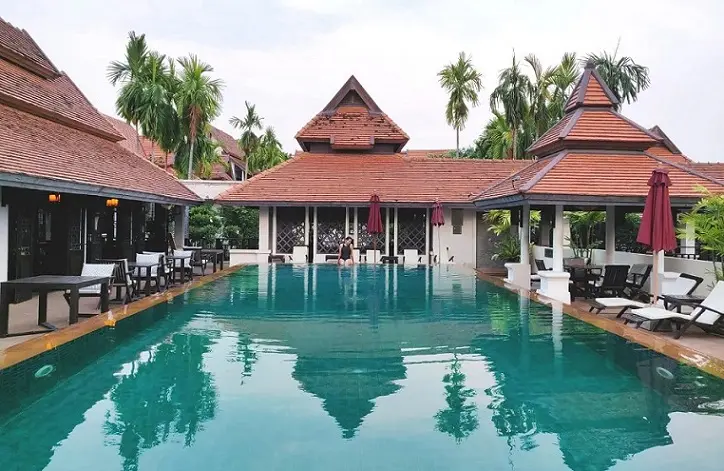
Image Credit: Bodhi Serene Boutique Hotel
La-iad Bungsrithong, advisor to the Thai Hotel Association, Northern (Upper) Region, noted that hotel operators are currently absorbing the risk without charging cancellation fees. “Most cancellations are from long-haul markets, particularly those whose flight routes pass through the Middle East or who have connecting flights in that area,” she said. The lack of incoming tourists from these markets has left many operators bracing for an extended period of financial strain, potentially lasting 2-3 months, and possibly longer if the conflict escalates.
Strategies for Survival
Hotels of all sizes are preparing to tighten their belts to navigate the crisis. Small establishments are aiming to attract more domestic travelers to offset losses from international markets, while medium-sized hotels are focusing on tourists from Asia, especially Malaysia, who are among Chiang Mai’s top ten visitors. Large hotels, which typically depend on European clientele, may need to shift their attention to Chinese tourists or other high-income markets, requiring government support to promote Thailand as a safe and attractive destination.

Image Credit: Raming Lodge Hotel and Spa
Operators are also bracing for rising operational costs. La-iad stressed the importance of conserving energy, reducing unnecessary consumption, and optimizing resources without compromising customer service. “During a crisis, customer satisfaction is crucial. If guests are pleased, they will return and recommend the hotel, which helps businesses survive,” she said. The potential increase in fuel, electricity, and commodity prices poses additional challenges, making careful financial planning essential for the months ahead.
The Importance of Government Support
Industry leaders are calling on the Thai government to take proactive measures to stimulate tourism and strengthen Chiang Mai’s hotel industry. Expansion projects at Chiang Mai Airport, improved international flight routes, and the creation of new attractions could encourage foreigners to return sooner rather than later. Paisan emphasized the need for comprehensive short-term, medium-term, and long-term plans to provide guidance for businesses and the public, minimizing panic while maximizing opportunities to attract tourists.

Image Credit: The Rim Resort Chiang Mai
With the Middle East conflict showing no signs of abating, Chiang Mai’s hotels face a precarious path forward. Businesses must adapt rapidly, relying on domestic tourism, regional visitors, and strategic marketing to survive. Without coordinated support and effective planning, the province risks a decline in high-season revenue, job losses, and a broader economic slowdown. The situation underscores the interconnectedness of global events and local economies, highlighting the vulnerability of tourism-dependent regions to international crises.
For the latest on the hotel industry in Chiang Mai and elsewhere in Thailand and beyond, keep on logging to Thailand Hotel News.