

Key points
- From Phuket and Koh Samui to Krabi, Khao Lak, and Hua Hin, resort developers are responding to a new class of traveler whose expectations have been permanently reshaped.
- Wellness retreats, digital detox programs, and discreet medical or longevity-focused stays are easier to deliver in villa settings, making them highly attractive to both guests and operators.
- The resorts that succeed will be those that understand privacy as a product, wellness as infrastructure, and exclusivity as a measurable asset rather than a marketing slogan.
Thailand Hotel News: A Fundamental Shift in Resort Strategy
Across Thailand’s leading resort destinations, a quiet but profound transformation is underway. Traditional hotel rooms are no longer the centerpiece of new developments. Instead, private pool villas, standalone residences, and low-density layouts are becoming the dominant design choice. From Phuket and Koh Samui to Krabi, Khao Lak, and Hua Hin, resort developers are responding to a new class of traveler whose expectations have been permanently reshaped. High-spending guests now value privacy over scale, space over spectacle, and personal control over shared luxury. This shift is not cosmetic. It is redefining how resorts are built, priced, staffed, and marketed across Thailand’s most valuable coastal zones.
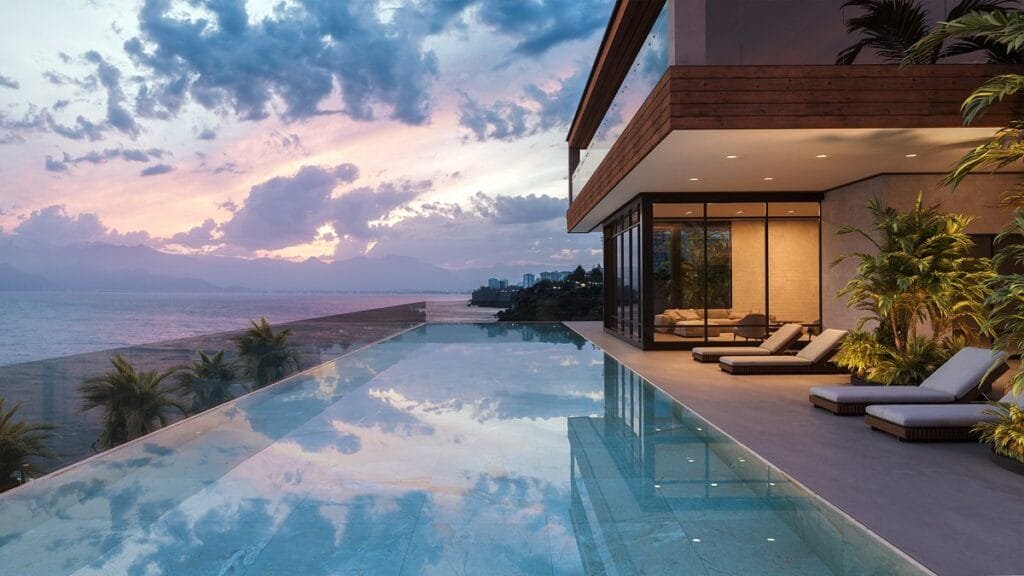
Private pool villas are reshaping Thailand’s resort landscape as privacy driven luxury takes center stage
Image Credit: StockShots
The Rise of Isolation Luxury
Post-pandemic travel behavior accelerated a trend that was already emerging among affluent travelers. Privacy has become a form of luxury in itself. Guests increasingly want self-contained villas with private pools, in-villa dining, wellness spaces, and direct access to nature without passing through busy lobbies or crowded corridors. This Thailand Hotel News report highlights how resort operators say villa guests stay longer, spend more on personalized services, and are far less price-sensitive than traditional room-based travelers. Wellness retreats, digital detox programs, and discreet medical or longevity-focused stays are easier to deliver in villa settings, making them highly attractive to both guests and operators.
Destination Hotspots Leading the Villa Boom
Phuket remains the epicenter of the villa race, with new projects prioritizing ocean-facing villas over multi-story blocks. Koh Samui has doubled down on ultra-private hillside and beachfront villas designed for long stays and repeat clientele. In Krabi and Khao Lak, developers are deliberately limiting key counts to preserve exclusivity and environmental appeal. Hua Hin, once dominated by classic resort hotels, is now seeing a surge in villa-based wellness and retirement-adjacent resorts targeting affluent regional travelers. These destinations are no longer competing on room count but on seclusion, customization, and perceived rarity.
Pricing Power and Operational Advantages
Villa-heavy resorts enjoy a pricing structure that favors stability. While they operate with fewer keys, nightly rates are significantly higher, and demand is less volatile during off-peak periods. Guests booking villas are more likely to purchase add-on services such as private chefs, spa treatments, and curated excursions. Operationally, villas reduce pressure on shared facilities and allow for more flexible staffing models. Instead of large front-of-house teams, resorts focus on discreet service staff, villa hosts, and mobile wellness professionals. This rebalancing improves margins while aligning with guest expectations of unobtrusive luxury.
What This Means for Thailand’s Resort Future
The pivot toward villas signals a long-term repositioning of Thailand’s resort industry. Developers are betting that fewer guests paying more will outperform mass-market models vulnerable to oversupply and rate wars. As land prices rise and environmental scrutiny intensifies, low-density villa resorts also offer a more sustainable narrative. The resorts that succeed will be those that understand privacy as a product, wellness as infrastructure, and exclusivity as a measurable asset rather than a marketing slogan. Thailand’s coastline is not running out of demand, but it is running out of tolerance for crowded luxury.
For the latest on Hotel and Resort trends, keep on logging to Thailand Hotel News.