

Key points
- With reports of the average hotel occupancy levels across Thailand decreasing to only 52 percent, many hotels are hoping that the period of the low season will be short-lived and that Thailand will witness a strong year end high season.
- Yet a deep dive into a lot of factors shows that this will not be the case despite many securities companies and stock traders spewing garbage that things will recover in the next few months.
- The continuing Middle East crisis, with war actually escalating and oil prices surging once again, will only dampen the global economy even more and cause changes among consumer and traveler behavior as economic hardships increase and debts rise as well.
Thailand Hotel News: With reports of the average hotel occupancy levels across Thailand decreasing to only 52 percent, many hotels are hoping that the period of the low season will be short-lived and that Thailand will witness a strong year end high season. Yet a deep dive into a lot of factors shows that this will not be the case despite many securities companies and stock traders spewing garbage that things will recover in the next few months.
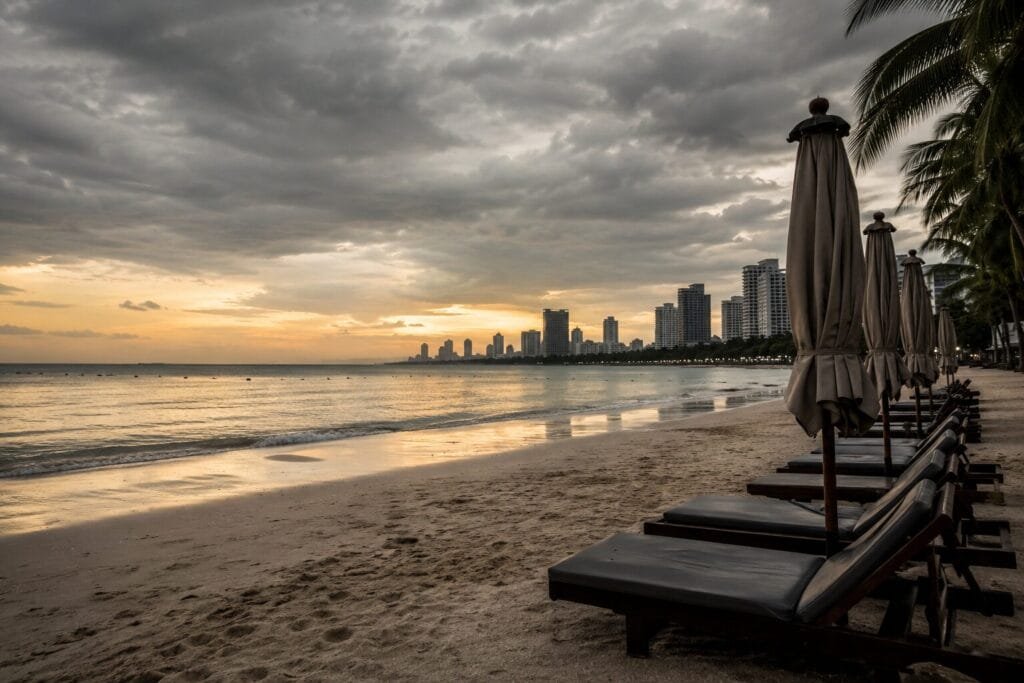
Image Credit: Thailand Hotel News
The continuing Middle East crisis, with war actually escalating and oil prices surging once again, will only dampen the global economy even more and cause changes among consumer and traveler behavior as economic hardships increase and debts rise as well.
Both local and international tourism is being affected. The ripple effect is continuing as more and more companies around the world along with SMEs feel the pinch and many close or collapse.
AI is also fast spreading into many industries and causing a high level of people to be retrenched or face job losses. This Thailand Hotel News report underscores how these pressures are converging in ways that make a swift rebound for Thai hotels highly unlikely.
Geopolitical Tensions and Surging Costs Hit Travel Hard
The Middle East conflict has triggered fresh spikes in oil prices, pushing up aviation fuel costs and leading airlines to raise ticket prices across long-haul routes. Travelers from Europe, North America, India, China, and other parts of Asia are increasingly opting for shorter, cheaper trips closer to home rather than committing to expensive long-distance journeys.
This shift hits Thailand particularly hard because it relies heavily on visitors willing to fly far for its beaches, culture, and variety.
Higher energy prices are also feeding into broader inflation. Labor costs, fuel, and everyday goods have climbed, squeezing household budgets everywhere. Even if the conflict eases soon, economists warn that the global economy will take at least three years to stabilize meaningfully.
The initial shock already locked in higher baseline costs that will linger. Many companies have already cut travel budgets or postponed corporate trips, while small and medium enterprises in tourism-dependent areas struggle to stay afloat.
Some have quietly closed or scaled back operations, reducing the overall ecosystem that supports hotels.
Regional Rivals Offer Better Value and Easier Access
Thailand now faces stiff competition from neighbors that have moved aggressively to capture market share. Vietnam, Malaysia, Indonesia, Japan, the Maldives, and even destinations in South America have slashed airfares, hotel rates, and packaged deals. Several governments have stepped in with subsidies or marketing support to make their countries more attractive. Direct flights have increased to these alternatives, and visa processes are often simpler or more generous for key source markets.
In contrast, Thailand has tightened visa rules, reducing the previous 60-day visa-free stay to 30 days for most nationalities. Airport passenger service charges for international departures have risen sharply, and discussions around additional arrival fees have added to the perception that visiting Thailand carries extra costs and hassle.
These policy moves, intended perhaps to manage quality or security, have discouraged some price-sensitive travelers and repeat visitors who once enjoyed longer, more flexible stays.
Rising Domestic Costs and Safety Perception Hurt Appeal
Inside Thailand, tourists are noticing higher prices for food, local transport, and basic services. Fuel-driven increases have pushed up everything from taxi fares and tour boats to restaurant bills. Many visitors share their experiences online, describing Thailand as noticeably more expensive than before without a matching improvement in value. This erodes the “affordable luxury” image the country once enjoyed.
Safety concerns have also grown after several high-profile incidents received widespread online coverage. While violent crime against tourists remains relatively low overall, petty theft, scams in tourist areas, and occasional disruptive behavior have fueled negative narratives. Some travelers now weigh these reports when choosing between Thailand and calmer, more affordable alternatives nearby. The combination of higher costs and lingering doubts about the overall experience is pushing marginal visitors toward competitors.
AI, Job Losses, and the Slow Global Recovery
Beyond geopolitics, artificial intelligence is accelerating job displacement across multiple sectors. Retrenchments and reduced hiring mean fewer people with steady disposable income for leisure travel. This effect compounds the caution already driven by inflation and debt. Local Thai tourism, which helped cushion earlier downturns, is also feeling the squeeze as domestic spending tightens amid the same economic pressures.
The global economy is not in a position to bounce back quickly. Even optimistic scenarios project a prolonged period of subdued growth. Hotels cannot count on a sudden surge in corporate or leisure demand to fill rooms through the second half of 2026. The traditional year-end high season, normally a reliable boost from November to February, faces the same headwinds: cautious long-haul travelers, stronger competition on price and ease of access, and domestic economic caution.
Why a Strong Rebound Looks Unlikely
Industry observers point to several structural issues that will keep pressure on occupancy and revenue. Increased hotel supply in key destinations like Bangkok and Phuket adds to the competitive intensity at a time when demand is softening.
Many properties are already offering discounts or promotions just to maintain some level of business, which further compresses average daily rates.
Pattaya and other resort areas have already reported occupancy well below break-even levels during the current low season, with some hotels struggling at 15-20 percent. Without a meaningful improvement in the broader environment, similar conditions could persist or worsen into the traditionally stronger months.
The combination of elevated operating costs, reduced visitor confidence, and aggressive regional rivals creates a difficult operating environment that shows little sign of easing soon.
Thailand’s hotels therefore face a challenging road ahead. Sustained low occupancy threatens jobs across the hospitality chain, from front-line staff to suppliers and local communities that depend on tourism spending. Operators will likely need to focus on cost control, targeted marketing to higher-value segments, and stronger differentiation through unique experiences rather than competing solely on price. Policy adjustments around visas, fees, and visitor perception could also play a role in restoring appeal.
Collaboration between government, hotel associations, and private operators will be essential to rebuild momentum. But his is unlikely to occur as many Thais have an ego problem and think they are better and will only collaborate with their own nepotistic networks. The Thai officials are worse as most will not only reach out other entities if they can befit or make any monies from the deals or collaborations.
Without coordinated efforts to address affordability, safety messaging, and ease of travel, the sector risks a drawn-out period of underperformance that extends well beyond 2026. The coming months will test the resilience of Thailand’s hospitality industry in ways few anticipated at the start of the year.
For the latest on the hospitality industry in Thailand, keep on logging to Thailand Hotel News.