

Key points
- Thailand’s hotel industry continues to invest heavily in food and beverage outlets, yet a growing number of these restaurants remain eerily empty once tourist seasons taper off.
- This Thailand Hotel News report finds that little or no genuine local market research is conducted, no strategic marketing plans are conceived and old run-off-the mill food promotions are often held with very little PR efforts.
- Many marcom and PR staff of hotels do not even engage with the local media, instead they rely on stupid and obsolete social media platforms like Facebook and Instagram, that is full of followers who cannot afford to have a meal at the hotel.
Thailand Hotel News: Thailand’s hotel industry continues to invest heavily in food and beverage outlets, yet a growing number of these restaurants remain eerily empty once tourist seasons taper off. From Bangkok to Phuket and Chiang Mai, hotel dining venues are increasingly designed to impress overseas visitors while quietly failing to resonate with local diners who could provide year-round revenue stability.
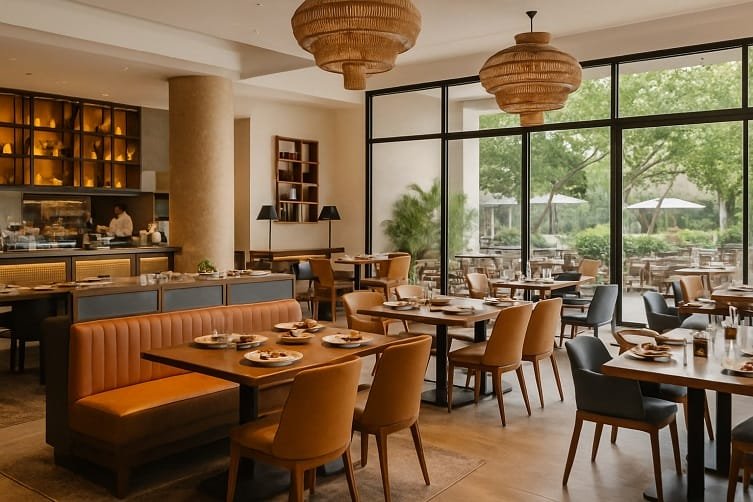
Hotel restaurants across Thailand often look full of promise but struggle to win the loyalty of local diners who could sustain them year round
Image Credit: AI-Generated
Many newly opened hotels now feature multiple dining concepts ranging from rooftop bars to themed international restaurants, all built with glossy branding and high fit out costs. However, once the initial opening buzz fades, foot traffic often collapses outside peak tourism periods, leaving operators struggling to justify staffing levels and operating expenses.
Designing For Visitors Not Residents
A core issue lies in how these restaurants are conceptualized. Hotel F&B teams frequently build menus, pricing, and ambiance based on what international guests are expected to want rather than what local residents actually seek. Expensive imported ingredients, unfamiliar cuisines, and pricing that far exceeds nearby standalone restaurants create an immediate psychological barrier for locals.
This Thailand Hotel News report finds that little or no genuine local market research is conducted, no strategic marketing plans are conceived and old run-off-the mill food promotions are often held with very little PR efforts. The result is dining venues that look impressive on Instagram but fail to build repeat business among nearby office workers, families, and residents.
Pricing Strategies That Push Locals Away
Pricing remains one of the most common deterrents. Many hotel restaurants price dishes to align with perceived luxury positioning rather than local value expectations. While tourists on short stays may accept inflated pricing as part of the experience, locals compare these venues directly with independent restaurants offering similar or better quality at significantly lower prices.
Service charges, parking inconvenience, and rigid reservation systems further discourage repeat visits. Over time, locals begin to view hotel restaurants as places reserved for visitors or special occasions rather than everyday dining options.
Marketing That Misses, The Local Audience
Another problem is how hotel restaurants are marketed. Promotions often rely on in house guest communication, OTA exposure, or generic social media posts rather than targeted local outreach. Many hotels fail to build partnerships with nearby offices, residential communities, or local dining platforms.
Instead of cultivating loyalty among Bangkok residents or Phuket expats, marketing efforts focus on transient audiences who disappear once travel patterns shift. This leaves restaurants vulnerable during shoulder seasons when tourist numbers drop sharply.
Many marcom and PR staff of hotels do not even engage with the local media, instead they rely on stupid and obsolete social media platforms like Facebook and Instagram, that is full of followers who cannot afford to have a meal at the hotel!
Operational Decisions That Hurt Profitability
Internally, hotel management often treats F&B as a brand enhancement tool rather than a profit center. Staffing models are built for peak occupancy, leading to excessive labor costs during quieter periods. Menus remain static, ignoring seasonal local tastes or price sensitivity.
Over time, underperforming restaurants are subsidized by room revenue, masking deeper structural problems. When occupancy dips, these F&B losses suddenly become impossible to ignore.
Rethinking The Role of Hotel Restaurants
Some forward-thinking hotels are beginning to reverse this trend by redesigning concepts around local demand. This includes simplified menus, competitive pricing, flexible service styles, and collaborations with local chefs or food brands. These properties are seeing stronger weekday traffic and more resilient revenues throughout the year.
Hotels that successfully attract locals tend to treat restaurants as independent businesses embedded within the community rather than extensions of the guest experience.
Thailand’s hotel industry is at a crossroads. Continuing to build restaurants designed primarily for tourists may deliver short term visual appeal, but it undermines long term profitability and relevance. Hotels that fail to win local diners risk carrying expensive dining spaces that drain resources and weaken overall performance long after peak season crowds disappear.
For the latest on the local hotel industry, keep on logging to Thailand Hotel News.