

Key points
- Thailand’s tourism and hotel industry may soon find itself facing an unexpected opportunity as geopolitical tensions in the Middle East begin to disrupt travel patterns and large-scale international events in that region.
- In the middle of these shifting global travel dynamics, this Thailand Hotel News report suggests that Thailand may be uniquely positioned to capture redirected travel demand if tourism authorities and hotel operators move quickly to position the country as a reliable alternative.
- Tourism authorities, hotel operators, airlines and event organizers must work together to promote Thailand as a safe, stable and versatile destination capable of hosting tourists and international events displaced by geopolitical tensions.
Thailand Hotel News: Thailand’s tourism and hotel industry may soon find itself facing an unexpected opportunity as geopolitical tensions in the Middle East begin to disrupt travel patterns and large-scale international events in that region. While crises anywhere in the world typically create uncertainty for the global travel sector, Thailand’s well-developed hospitality infrastructure could allow the country to benefit if industry leaders respond quickly and strategically.
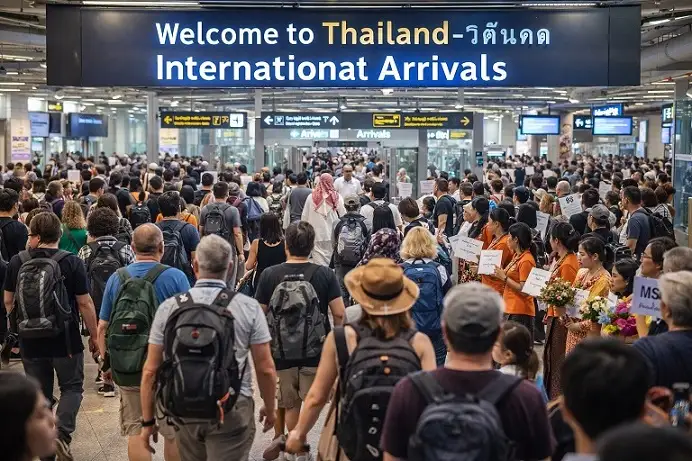
Image Credit: Thailand Hotel News
Over the past decade, destinations such as the UAE, Qatar and Saudi Arabia have aggressively expanded their tourism sectors, building massive convention centers, luxury resorts and international event venues to attract travelers and business gatherings. However, when instability or security concerns begin to emerge, travel planners often look for alternative destinations that offer safety, stability and strong tourism infrastructure. In the middle of these shifting global travel dynamics, this Thailand Hotel News report suggests that Thailand may be uniquely positioned to capture redirected travel demand if tourism authorities and hotel operators move quickly to position the country as a reliable alternative.
Redirected Tourism Flows Could Benefit Thailand
Global travel patterns often shift rapidly during geopolitical tensions. Tourists, corporate travelers and event planners frequently redirect their travel plans toward destinations that are perceived as safe and stable. Thailand has historically benefited from similar shifts in regional travel patterns due to its established tourism reputation, international flight connectivity and wide range of accommodation options.
Bangkok, Phuket, Pattaya and Chiang Mai all possess the capacity to absorb increased visitor numbers, with hotels ranging from ultra-luxury resorts to boutique wellness retreats. This diversity makes Thailand an appealing option for travelers who may reconsider visiting destinations experiencing instability.
Targeting Markets That Traditionally Visit the Middle East
One immediate strategy for Thailand’s tourism authorities and hotels would be to actively target travelers who normally choose Middle Eastern destinations during peak travel seasons. Aggressive promotional campaigns, special packages, discounts and bundled travel deals could encourage tour operators and travel agencies to shift bookings toward Thailand.
Hotels can also develop targeted marketing strategies focusing on travelers from Europe, Russia, Asia and emerging markets that frequently attend events or vacation in the Gulf region. Competitive pricing combined with Thailand’s well-known hospitality culture could make the country a natural replacement destination.
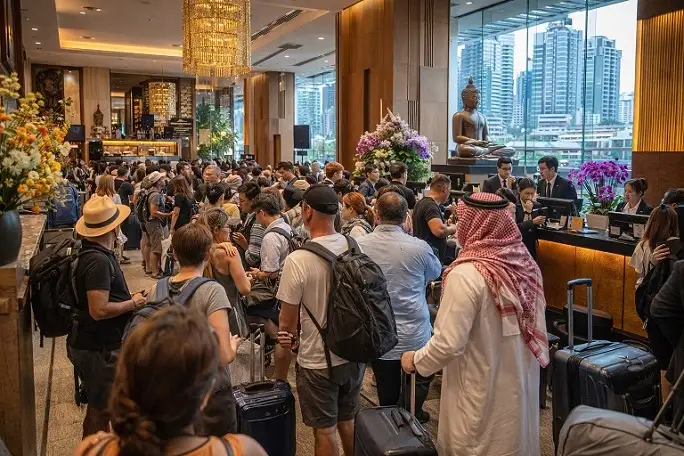
Image Credit: Thailand Hotel News
Opportunity To Attract Relocated Global Events
Another potential advantage lies in the global meetings, incentives, conferences and exhibitions sector. The Middle East has increasingly hosted major international events ranging from business expos to sports competitions. If instability forces organizers to cancel or relocate events from cities in the UAE, Qatar or Saudi Arabia, Thailand could position itself as an immediate alternative venue.
With major convention facilities in Bangkok and large resort destinations capable of hosting thousands of delegates, Thailand has the infrastructure required to accommodate these gatherings. Tourism authorities and hotel groups may benefit by proactively contacting event organizers and offering incentives to move their conferences or exhibitions to Thailand.
Expanding Into Specialized Tourism Segments
Industry leaders are also being encouraged to focus on emerging tourism segments that continue to grow globally. Wellness tourism, rehabilitation travel, medical tourism and religious or spiritual tourism are all areas where Thailand already enjoys a strong international reputation.
Hotels and tourism operators could design specialized packages combining medical services, wellness retreats, rehabilitation programs and cultural experiences. Such offerings would attract travelers looking for extended stays in destinations that provide both relaxation and professional healthcare support.
Thailand Must Move Quickly to Capture Opportunity
Timing will ultimately determine whether Thailand can benefit from shifting travel patterns. Tourism authorities, hotel operators, airlines and event organizers must work together to promote Thailand as a safe, stable and versatile destination capable of hosting tourists and international events displaced by geopolitical tensions.
Even with rising oil prices and travel costs going up and cautious consumer behavior, Thailand can still come out as a winner with strategic planning and innovative ideas.
If the country acts decisively, the current crisis in the Middle East could become an unexpected catalyst for Thailand’s tourism growth. Strategic marketing, innovative tourism packages and proactive engagement with international event organizers could allow Thailand’s hotel sector to transform a global disruption into a significant opportunity for increased visitor arrivals and higher hotel occupancy rates across the country.
For the latest on the hotel and tourism industry in Thailand, keep on logging to Thailand Hotel News.