

Key points
- The suspension of these critical air routes has effectively cut off one of the most important travel corridors connecting Europe, the Middle East and parts of Africa to Thailand’s tourism hubs.
- With flights grounded and thousands of itineraries disrupted, the hospitality sector is now dealing with the sudden loss of visitors who had already reserved rooms weeks or even months in advance.
- Resorts that depend heavily on long haul markets are now experiencing a wave of cancellations as travel agents and tour operators inform customers that their flights can no longer operate as scheduled.
Thailand Hotel News: Continued Middle-East Airline Suspensions Send Shockwaves Through Thailand’s Hotel Industry
Thailand’s hospitality sector is facing an abrupt wave of cancellations after major Gulf airlines suspended large portions of their flight networks due to escalating tensions surrounding Iran and the wider Middle East region. The ripple effects are now being felt most strongly in Thailand’s resort destinations, where thousands of international tourists typically arrive each day through transit hubs such as Dubai, Abu Dhabi and Doha.
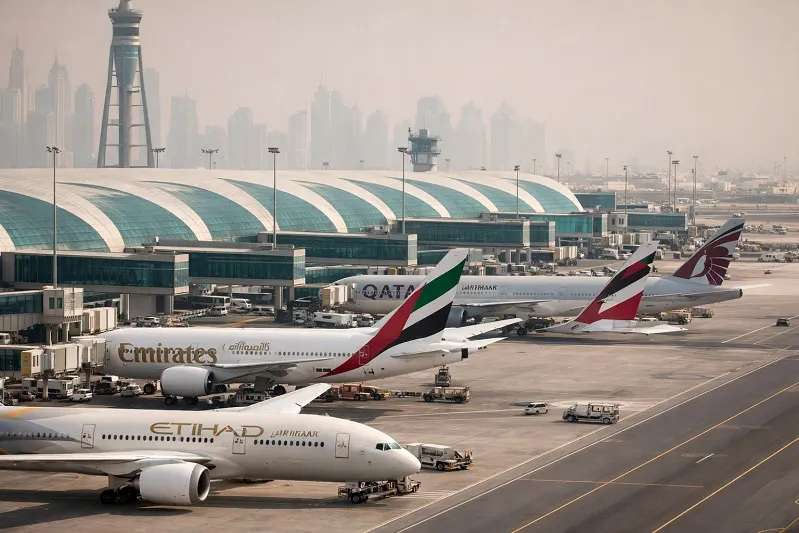
Image Credit: Thailand Hotel News
Hotels in Phuket, Krabi, Koh Samui and even parts of Bangkok are reporting sudden booking collapses after flights operated by Emirates, Qatar Airways and Etihad were halted or drastically reduced. The suspension of these critical air routes has effectively cut off one of the most important travel corridors connecting Europe, the Middle East and parts of Africa to Thailand’s tourism hubs. In the middle of this unfolding disruption, this Thailand Hotel News report highlights how hotel operators across the country are grappling with empty rooms and uncertain booking forecasts.
Many hotels had been preparing for a steady stream of long-haul travelers heading into what is traditionally a profitable shoulder season for beach resorts. However, with flights grounded and thousands of itineraries disrupted, the hospitality sector is now dealing with the sudden loss of visitors who had already reserved rooms weeks or even months in advance.
Key Gulf Aviation Hubs Disrupted
The disruption began when airspace restrictions spread across parts of the Middle East following military developments involving Iran. These restrictions forced airlines based in the Gulf region to suspend or reroute large numbers of flights.
Emirates in Dubai has reportedly reduced operations to a skeleton schedule, focusing mainly on cargo services and limited repatriation flights. Etihad Airways in Abu Dhabi has grounded much of its passenger fleet, while Qatar Airways has faced particularly severe limitations due to the closure of Qatari airspace.
These three carriers normally transport an estimated 90,000 transit passengers daily through their hub airports. A large percentage of those travelers are tourists connecting onward to Southeast Asia, with Thailand consistently ranking among the most popular destinations.
With these connections suddenly cut off, travelers who planned to reach Thailand via the Gulf have found themselves stranded, forced to cancel their holidays or postpone travel indefinitely.
Hotel Bookings Collapse Across Key Thai Destinations
The immediate consequences are being felt across Thailand’s hotel sector. Resorts that depend heavily on long haul markets are now experiencing a wave of cancellations as travel agents and tour operators inform customers that their flights can no longer operate as scheduled.

Image Credit: Thailand Hotel News
In Phuket, hotel managers report that entire blocks of rooms previously reserved by European tour groups have been released back into the market within days. Several beachfront resorts say occupancy projections for the coming weeks have dropped dramatically.
Similar situations are unfolding in Krabi and Koh Samui, where hotels typically rely on visitors connecting through Gulf hubs. Many of these travelers come from Europe, Australia and the Middle East and prefer the convenience of one stop flights via Dubai, Abu Dhabi or Doha.
Without these routes, travelers are now faced with complex multi stop alternatives that can significantly extend travel times and increase costs. For many holidaymakers, that inconvenience has proven enough to cancel trips altogether.
Tour Operators Report Sudden Collapse in Travel Plans
European and Australian travel agencies say customers are increasingly abandoning itineraries to Thailand after learning their connecting flights are no longer available. Many travelers had carefully planned beach holidays months in advance, often tied to limited vacation schedules.
When airlines cancelled those flights, travelers were left with few viable alternatives. Some airlines outside the Gulf region are attempting to absorb displaced passengers, but available seats are limited and fares have surged.
As a result, thousands of travelers who would normally arrive in Thailand are now postponing their holidays. For hotels that depend on steady international arrivals, each cancellation translates directly into lost revenue.
Industry analysts say the sudden disruption could erase a significant portion of expected occupancy during what should have been a strong period for tourism.
Financial Pressure Builds for Thailand’s Hospitality Sector
Hotel associations in Thailand are now trying to assess the financial impact of the ongoing airline suspensions. While exact figures are still emerging, early estimates suggest the losses could reach millions of dollars if the disruptions continue.
The timing is particularly challenging because many hotels had recently increased staffing levels and operational capacity to accommodate rising tourist demand following the pandemic recovery.

Image Credit: Thailand Hotel News
Resort operators warn that each week of flight suspensions could translate into thousands of empty room nights across the country. Smaller boutique hotels and independent properties may be especially vulnerable because they lack the financial reserves of large international hotel chains.
Some hotels are already introducing promotional discounts in an effort to attract regional travelers from nearby Asian markets. However, replacing long haul guests with short haul visitors is rarely easy because international travelers typically stay longer and spend more on food, activities and excursions.
Tourism Authorities Scramble to Mitigate Damage
Thailand’s tourism authorities are now working closely with airlines, tour operators and hospitality groups to manage the fallout. Officials are encouraging hotels to offer flexible booking policies so that travelers can postpone rather than cancel their stays.
Marketing campaigns are also being adjusted to highlight alternative travel routes into Thailand through other Asian aviation hubs. Airlines operating through cities such as Singapore, Kuala Lumpur and Hong Kong could help absorb some of the displaced traffic if travelers are willing to adjust their routes.
Even so, tourism experts acknowledge that the loss of Gulf transit routes is difficult to replace quickly because those hubs serve as major gateways connecting multiple continents.
For the moment, the future of Thailand’s hotel sector remains tied to the broader geopolitical situation affecting airspace across the Middle East.
If airline operations resume soon, hotels may be able to recover some of the lost demand through rebookings later in the year. But if the disruption continues, Thailand’s hospitality industry may face a longer period of uncertainty as travelers reconsider their international plans.
Thailand’s hotels have demonstrated resilience during past crises, from economic downturns to global health emergencies. Yet the current situation underscores how deeply the country’s tourism sector depends on global aviation networks.
With aircraft grounded and major air routes disrupted, the absence of travelers is already being felt from the lobbies of luxury beachfront resorts to smaller family run guesthouses across the country. The coming weeks will determine whether this shock to the travel system proves temporary or evolves into a longer challenge for Thailand’s hospitality industry.
For the latest on the state of the hospitality industry in Thailand, keep on logging to Thailand Hotel News.