

Key points
- Hat Yai is known for its bustling hotel scene and a rhythm driven by Malaysian visitors who cross the border for short breaks, shopping and food.
- The hotel and tourism ecosystem alone is thought to have forfeited billions of baht in lost room nights, cancelled events and destroyed inventory.
- The Tourism Authority of Thailand’s new campaign targeting Malaysian travelers is slowly gaining traction, and land links to the border are back to full capacity.
Thailand Hotel News: Hotels in Hat Yai Facing Difficult Times After Flooding
Hat Yai is known for its bustling hotel scene and a rhythm driven by Malaysian visitors who cross the border for short breaks, shopping and food. Today that familiar rhythm has been interrupted. One month after the worst floods, the Southern city has faced in years, hotel operators say their doors may be open, but guests remain scarce and optimism is fragile. At street level the signs of recovery are mixed, with major chains flickering back to life while many mid-sized and smaller properties sit shuttered behind metal grilles.
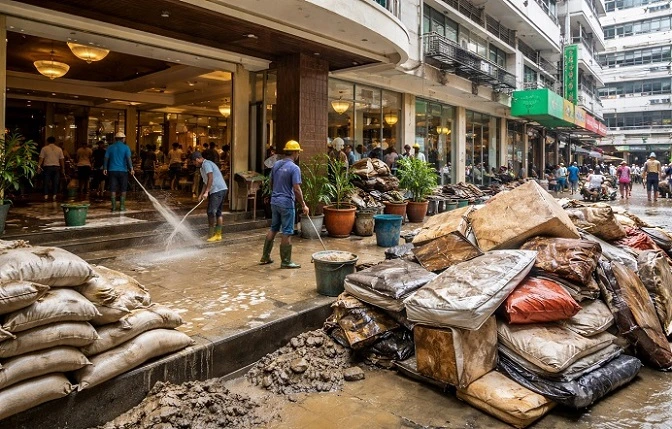
Hat Yai hotels face a slow comeback as funds dry up and tourists stay away
Image Credit: StockShots
The physical clean-up has been painfully slow and the financial scars even deeper. Some hoteliers admit that reopening is simply out of reach for now. They lack capital to repair lobbies, guestrooms, kitchens and electrical systems soaked by brown floodwater. This Thailand Hotel News report picks up the voices of owners who fear their savings, and sometimes their entire livelihoods, are at risk.
Malaysian market still hesitant
While roads have dried and power has been restored to most districts, the most valuable source of income — spending tourists — has not fully returned. For decades Hat Yai’s hospitality businesses have relied on Malaysia, with market share often topping 70 percent during long weekends and school breaks. But tour groups that once filled coaches and banquet halls are diverting to Penang, Ipoh and even Bangkok while local confidence rebuilds.
Operators say the absence is hitting the balance sheet at the very moment cost pressures are swelling. Labor is harder to find, wages are rising, and cleaning, repairs and energy bills are chewing up what little cash is left. Several large hotels are open but running well below profitable occupancy. Others have reopened only a handful of floors, closing wings that remain waterlogged or stripped down to bare cement.
Counting the staggering losses
Business associations estimate that the floods caused hundreds of billions of baht in damage across Hat Yai and its surrounding districts. The hotel and tourism ecosystem alone is thought to have forfeited billions of baht in lost room nights, cancelled events and destroyed inventory. Warehoused linens, minibars stocked for the festive season and equipment bought to support sporting and trade events all became costly write-offs.
Local chambers say the numbers understate the long tail of the shock. Insurance payouts are slow, bank processes are stiff, and many small and family-run hotels never carried flood coverage at all. As one operator put it, “you can repair walls, but winning trust takes longer.”
Big players back first
Predictably, national and regional chains were the quickest to reopen. Their capacity to draw on reserves, tap group purchasing and deploy contractors meant lobbies were scrubbed and kitchens restored within weeks. But for dozens of independent hotels, guesthouses and boutique stays, reopening could take months. Some may never return at all.
A few properties have turned to social media to tell guests they are ready, posting photos of renovated rooms and offering discounted early-return promotions. Others have pivoted temporarily into food delivery, café formats or day-use business models to keep cash flowing until tourists return.
Looking ahead
Despite the hardship, optimism has not disappeared. The Tourism Authority of Thailand’s new campaign targeting Malaysian travelers is slowly gaining traction, and land links to the border are back to full capacity. Local authorities are clearing drains, improving flood readiness, and promising incentives to help the hospitality ecosystem recover.
Still, hotel owners caution that real recovery will take time. Visitors need to feel Hat Yai is not only open, but welcoming, vibrant and dependable once more. Until that confidence returns, operators are bracing themselves for difficult months ahead, doing whatever they can to stay solvent, support staff and preserve the city’s role as southern Thailand’s gateway. The spirit of Hat Yai has survived floods before, and many believe it will rise again — but patience, investment and a steady stream of returning guests will decide how many businesses survive the struggle.
For the latest on the hotel industry in Southern Thailand, keep on logging to Thailand Hotel News.