

Key points
- if a hotel is unlicensed or operating with an expired license, does insurance still apply in cases of accidents, crimes, or deaths.
- If an accident occurs in an unlicensed hotel, such as a fall, fire, pool injury, or electrical incident, insurance companies may deny liability claims on the basis that the property was operating illegally at the time.
- when a hotel is unlicensed or has an expired license, insurance coverage for both the hotel and its guests may be compromised or entirely void.
Thailand Hotel News: Thailand is globally known for its hospitality standards, strong tourism regulations, and internationally branded hotels. Most travelers assume that when they book a hotel, especially one managed by a well-known brand, they are fully protected if something goes wrong. However, recent developments in Phuket have raised a critical question that many travelers and even hotel operators overlook: if a hotel is unlicensed or operating with an expired license, does insurance still apply in cases of accidents, crimes, or deaths?
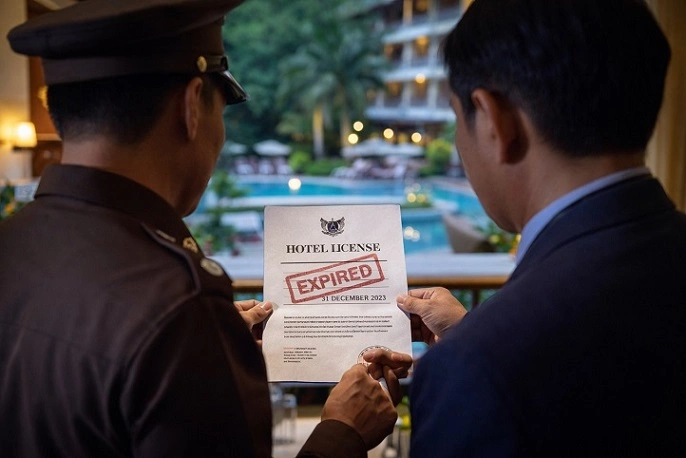
Image Credit: Thailand Hotel News
A Phuket Case That Raised Serious Insurance Questions
A recent media report involving a hotel in Phuket brought this issue into sharp focus. The property became the center of public attention following reports of an attempted break-in of a guest room by a hotel staff member. This Thailand Hotel News report found out through another media coverage that revealed the hotel’s operating license had expired on December 31, 2025.https://phukethotel.news/media-claims-that-the-hotel-license-of-the-holiday-inn-phuket-resort-at-surin-beach-where-a-staff-recently-attempted-a-break-has-expired/
Despite the expired license, the hotel continued to operate normally and accept reservations and bookings and OTA platforms and its own site. Guests staying at the property were largely unaware of its licensing status and assumed that standard hotel insurance protections were fully in place.
How Hotel Licensing Is Linked to Insurance
In Thailand, hotel insurance policies are closely tied to legal operating status. Most forms of coverage, including public liability insurance, fire insurance, injury compensation, and third-party liability, are issued on the condition that the hotel holds a valid and current license.
If a hotel’s license expires and operations continue, insurers may argue that the policy is no longer enforceable. This can affect both sides. The hotel itself may find that its insurance is invalid, and guests may discover that claims related to injuries, theft, or other incidents are rejected.
What Happens If a Guest Is Injured
If an accident occurs in an unlicensed hotel, such as a fall, fire, pool injury, or electrical incident, insurance companies may deny liability claims on the basis that the property was operating illegally at the time. This could leave guests responsible for their own medical expenses, evacuation costs, or long-term treatment.
Even personal travel insurance held by guests may be affected. Some travel insurance policies contain exclusions for incidents occurring in unlicensed accommodations, potentially leaving travelers without coverage from either side.
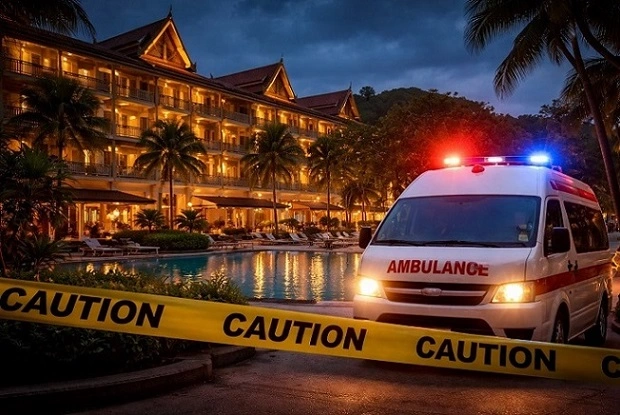
Image Credit: Thailand Hotel News
Crimes and Deaths Create Even Bigger Problems
In more serious cases involving crimes or deaths, the consequences can be far more severe. If a hotel lacks a valid license, its crime-related insurance and mandatory liability protections may be invalid. This can complicate police investigations, delay compensation, and make it harder for victims or families to receive payouts.
Legal experts warn that families seeking compensation after a fatal incident in an unlicensed hotel may face lengthy legal battles, with insurers citing regulatory non-compliance as grounds for denial.
Why Guests Cannot Rely on Brand Names Alone
One of the most concerning aspects is that international branding does not guarantee licensing compliance. Management structures, franchise agreements, or delayed renewals can result in situations where a hotel appears legitimate but is technically operating without legal authorization.
Travelers are advised to exercise caution, especially for long stays or high-risk activities, and to remember that insurance protection depends not just on policies, but on legal compliance.
A Serious Issue That Travelers Must Understand
The key takeaway is simple but critical: when a hotel is unlicensed or has an expired license, insurance coverage for both the hotel and its guests may be compromised or entirely void. This exposes travelers to financial, legal, and personal risks they may never have anticipated, even when staying at seemingly reputable properties.
When booking a hotel in Thailand, its best that consumers ask to check on their license status and do not even trust the OTAs or the management companies. A better alternative is to only book hotels listed on our own list of recommended hotels (that list will shortly be expanded to cover other areas in Thailand) as we check that all such hotels in our list have valid licenses etc plus all these hotels are reviewed often. https://bangkokhotel.news/
For the latest on Hotels in Thailand, keep on logging to Thailand Hotel News.