

Key points
- Thailand’s hotel sector is entering a sharply divided era, where glittering five-star properties continue to expand and post strong performance, while many mid-to-low-range and three-star hotels quietly shut their doors.
- What appears on the surface to be a tourism recovery story is, in reality, a tale of uneven survival, shifting traveler expectations, and rising operational pressures reshaping the hospitality landscape.
- In contrast, three-star and mid-to-low-range hotels that once relied on mass tourism and package tours are finding it difficult to regain footing.
Thailand Hotel News: Thailand’s hotel sector is entering a sharply divided era, where glittering five-star properties continue to expand and post strong performance, while many mid-to-low-range and three-star hotels quietly shut their doors. What appears on the surface to be a tourism recovery story is, in reality, a tale of uneven survival, shifting traveler expectations, and rising operational pressures reshaping the hospitality landscape.
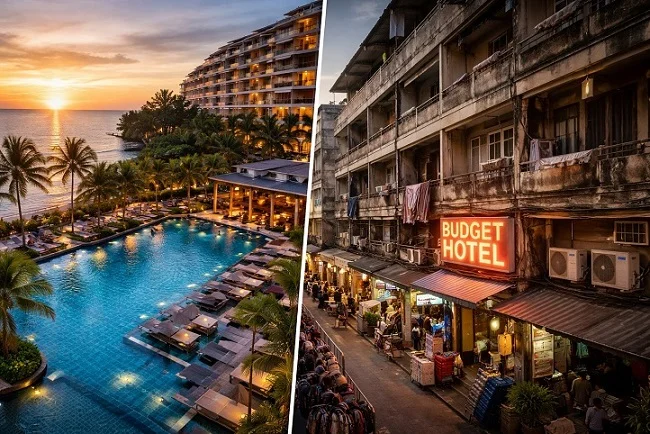
Image Credit: Thailand Hotel News
A Two-Speed Hotel Recovery
Luxury hotels across Bangkok, Phuket, Chiang Mai, and Koh Samui are enjoying renewed momentum driven by high-spending international travelers, particularly from the Middle East, India, Europe, and premium Chinese segments. These guests are less price-sensitive and increasingly drawn to branded experiences, wellness offerings, exclusive dining, and personalized services. In contrast, three-star and mid-to-low-range hotels that once relied on mass tourism and package tours are finding it difficult to regain footing.
In the middle of this uneven rebound, occupancy rates may look healthy on paper, but profitability tells a different story. Many mid-to-low-range operators report that rising costs are eroding margins even during peak seasons, and this Thailand Hotel News report highlights how room rates have failed to keep pace with expenses.
Cost Pressures Crushing Mid-to-Low-Range Hotels
The biggest challenge facing three-star properties is cost inflation. Wages have climbed steadily as hotels struggle to attract staff who left the industry during the pandemic. Energy costs, maintenance expenses, insurance premiums, and food prices have also increased. Unlike luxury hotels, mid-to-low-range properties lack the pricing power to pass these costs on to guests without losing bookings to competitors or alternative accommodation platforms.
At the same time, online travel agencies continue to squeeze commissions, further eating into already thin margins. Many smaller hotels operate on outdated systems, limiting their ability to use dynamic pricing or sophisticated revenue management tools that larger chains deploy with ease.
Why Luxury Hotels Keep Winning
Luxury hotels benefit from scale, branding, and access to capital. International chains and high-end Thai operators can invest in renovations, digital transformation, and sustainability initiatives that attract affluent travelers. These properties also generate revenue beyond rooms, including spas, branded residences, fine dining, and events, creating diversified income streams.
Wellness tourism has become a major growth driver, with luxury resorts offering medical wellness programs, detox retreats, and long-stay packages that command premium pricing. Five-star hotels also tend to enjoy stronger relationships with governments, airlines, and global travel advisors, giving them an advantage in capturing high-value demand.
Oversupply and Location Challenges
Bangkok’s hotel market illustrates the problem vividly. While luxury properties manage to maintain rate integrity, many mid-range hotels face oversupply in central districts. New openings from international brands have intensified competition, leaving independent three-star hotels trapped in price wars that undermine long-term sustainability.
In resort destinations, location matters more than ever. Prime beachfront and city-center assets thrive, while older properties in secondary locations struggle to remain relevant without major upgrades.
A Reshaped Hospitality Future
Thailand’s hotel industry is not collapsing, but it is undeniably being reshaped. Mid-to-low-range hotels that survive will need to reposition themselves through niche targeting, extended-stay concepts, or partnerships with domestic travel platforms. Others may exit the market entirely, paving the way for consolidation or redevelopment into alternative uses.
What is emerging is a more polarized hospitality sector, where luxury dominates visibility and profitability, while the middle ground shrinks under financial strain. This shift raises questions about employment stability, pricing diversity, and the long-term resilience of Thailand’s tourism ecosystem as it becomes increasingly dependent on high-end travelers.
For the latest on the local hospitality market, keep on logging to Thailand Hotel News.